
St. Augustine vs. Bermuda Grass in Bryan and College Station: Which Is Right for Your Lawn?
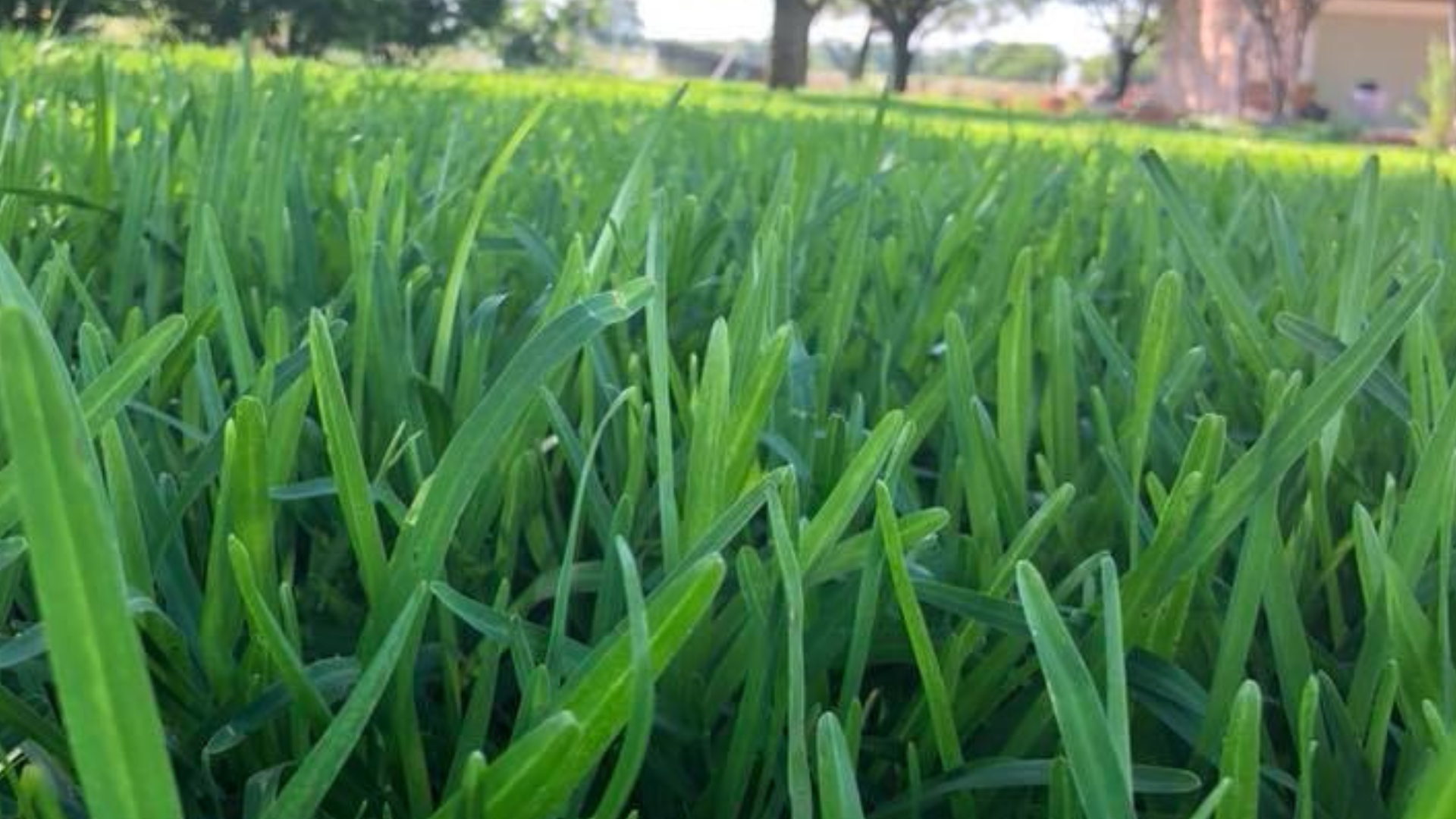
Short Answer: St. Augustine is the better choice for yards with moderate to heavy shade, and it produces a thick, lush look that most Brazos Valley homeowners love. Bermuda is more drought-tolerant and wear-resistant, making it ideal for full-sun properties and yards that get heavy foot traffic. Both thrive in our hot, humid climate, but they require different maintenance programs. The right choice depends on your sun exposure, how you use your yard, and how much maintenance you are willing to invest. Here is everything you need to know to make the right call.
If you are putting in a new lawn, renovating an existing one, or just wondering whether the grass you have is the best fit for your property, the St. Augustine versus Bermuda question is one of the first things to sort out. It is the most common conversation we have with homeowners across Bryan and College Station, and the answer matters more than most people realize.
The grass type you choose affects everything from how your lawn looks to how much water it needs, how you mow it, what diseases it is vulnerable to, and what your fertilization program looks like for the entire year. Here is what we have learned from years of maintaining both grass types in the Brazos Valley.
St. Augustine: The Shade-Tolerant Favorite
St. Augustine is the most popular residential grass in the Bryan and College Station area, and for good reason. It produces a thick, carpet-like lawn with wide blades and a deep green color that looks great when it is well-maintained. It handles shade better than almost any other warm-season grass, which matters a lot in neighborhoods with mature trees.
St. Augustine spreads by stolons (above-ground runners), which means it fills in bare spots on its own over time. It establishes well from sod and recovers reasonably well from moderate damage. In the Brazos Valley climate, it stays green from late March through November in a typical year.
The tradeoffs are real though. St. Augustine is more susceptible to chinch bug damage, which is one of the most common lawn problems we treat in our area during June and July. It is also vulnerable to brown patch fungus, particularly in late summer and fall when we get those warm, humid nights. A proper fertilization program that includes insecticide and fungicide treatments at the right times is essential for keeping St. Augustine healthy through the year.
St. Augustine also needs more water than Bermuda. During the peak of a Brazos Valley summer, a St. Augustine lawn needs about 1 to 1.5 inches of water per week to stay green. A properly designed and maintained irrigation system makes a significant difference in how well St. Augustine performs through July and August.
Bermuda: The Sun-Loving Workhorse
Bermuda grass is the tougher, more drought-tolerant option. It thrives in full sun, handles heavy foot traffic better than St. Augustine, and recovers quickly from damage. If you have a yard that gets used hard, whether from kids, dogs, or regular entertaining, Bermuda holds up better under the wear.
Bermuda grows aggressively through both stolons and rhizomes (underground runners), which means it fills in damage faster than St. Augustine. It also goes dormant during drought rather than dying, turning brown but bouncing back quickly once water returns. This makes it more forgiving if your irrigation system has issues or if you are on water restrictions during a dry summer.
The main limitation of Bermuda is shade tolerance. It needs at least 6 to 8 hours of direct sunlight per day to perform well. In shaded areas under trees or on the north side of buildings, Bermuda will thin out and eventually die back, leaving bare spots that weeds will happily fill. If your yard has significant shade, Bermuda is not the right choice for those areas.
Bermuda also requires more frequent mowing during the growing season. It grows fast and needs to be cut at a lower height (1 to 2 inches) than St. Augustine (3 to 4 inches). If you let Bermuda get too tall between mowings, it develops a thick thatch layer that can create problems over time.
How Maintenance Programs Differ
This is where the choice between St. Augustine and Bermuda has real, ongoing implications. Both grass types need professional fertilization and weed control to look their best, but the specific products, timing, and focus areas are different.
St. Augustine programs put more emphasis on insecticide treatments for chinch bugs during summer and fungicide applications for brown patch in late summer and fall. The weed control approach is slightly different because St. Augustine is more sensitive to certain herbicides, so product selection has to be more careful.
Bermuda programs include more pre-emergent weed control applications because the grass grows low and dense enough to tolerate more aggressive weed prevention. Bermuda can handle products and application rates that would stress or damage St. Augustine. The tradeoff is that Bermuda lawns need that extra pre-emergent coverage because the lower mowing height means weeds are more visible when they do break through.
Both grass types benefit from aeration twice per year in our clay soil, spring and fall. And both need a properly functioning irrigation system to perform their best through a Brazos Valley summer.
What About Zoysia?
We occasionally get asked about Zoysia grass as an alternative. Zoysia can work in the Brazos Valley, but it is much slower to establish and more expensive to install than either St. Augustine or Bermuda. It offers good shade tolerance and drought resistance, but the slow growth rate means damage takes much longer to fill in. For most homeowners in Bryan and College Station, St. Augustine or Bermuda is the more practical and cost-effective choice.
How to Decide
The decision comes down to three factors. First, how much sun does your yard get? If you have significant shade from trees or structures, St. Augustine is almost always the better choice. If your yard is mostly open and sunny, either grass type will work, but Bermuda will handle the heat and traffic better.
Second, how do you use your yard? High-traffic areas, dog runs, and play areas do better with Bermuda. Decorative front lawns and shaded backyards are better suited to St. Augustine.
Third, some properties benefit from both. It is common in the Brazos Valley to have Bermuda in the sunny front yard and St. Augustine in the shadier backyard. This approach gives you the best of both, though it does mean maintaining two different fertilization schedules.
What to Do Next
If you are not sure which grass type is right for your property, or if you are dealing with a lawn that is struggling and wondering whether it is the wrong grass for the conditions, we are happy to come out and assess your situation. We will look at your sun exposure, soil conditions, and how you use your yard, and give you an honest recommendation.
Whether you are starting fresh with new sod or looking to get more out of the lawn you already have, knowing your grass type and matching it with the right maintenance program is the single most important decision you can make for your yard. Give us a call at (979) 412-3624 and we will help you figure it out.