
How to Keep Your Lawn Green During a Brazos Valley Summer
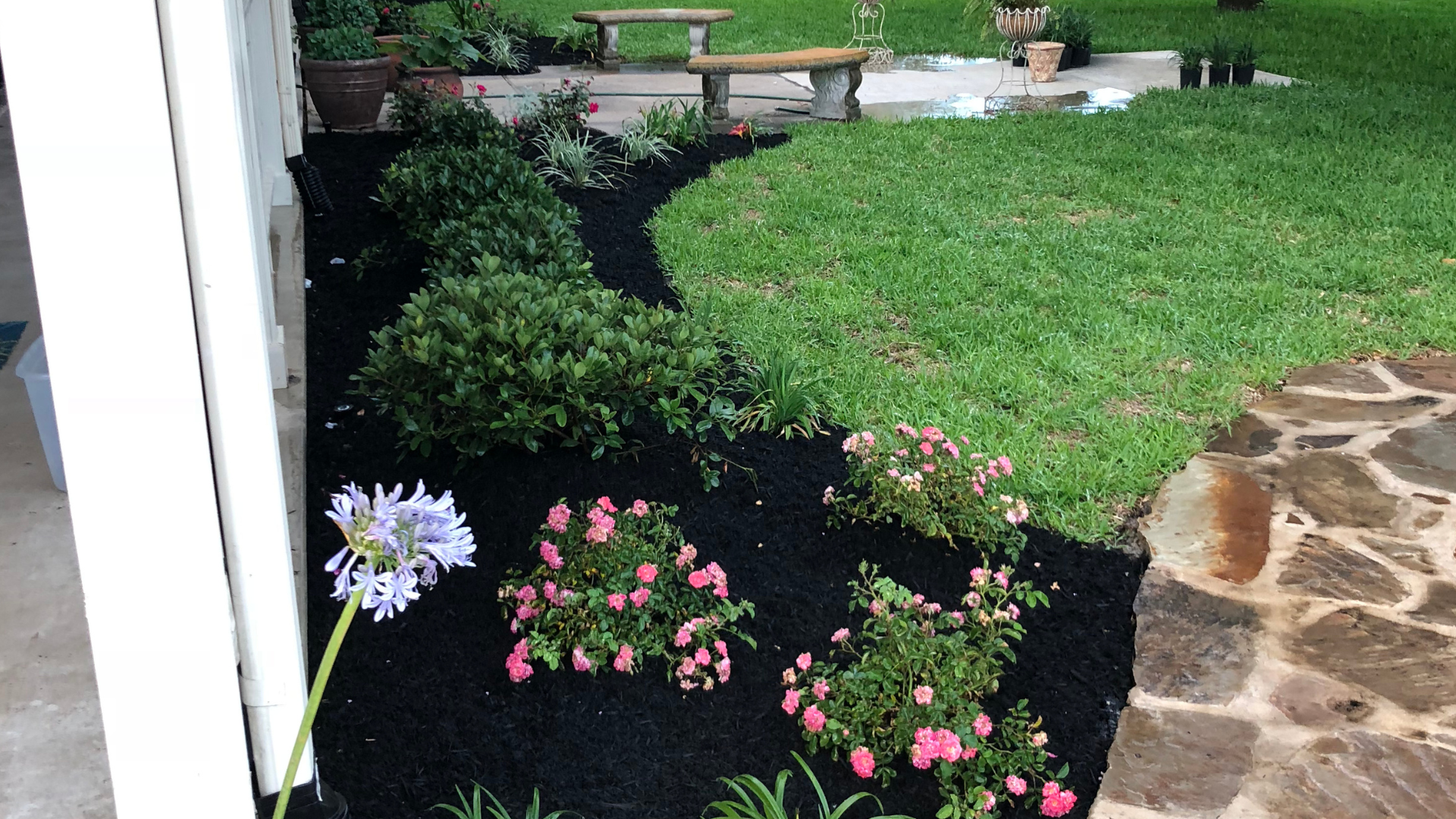
Short Answer: Keeping a green lawn through a Bryan and College Station summer comes down to three things: proper watering (1 to 1.5 inches per week, delivered in deep, infrequent sessions early in the morning), correct mowing height (3 to 4 inches for St. Augustine, 1.5 to 2 inches for Bermuda), and continued nutrition through your fertilization program. A properly functioning irrigation system is the single biggest factor. If your sprinklers are not delivering even coverage, no amount of fertilizer or mowing discipline will keep your lawn looking its best. Here is the complete summer survival guide for Brazos Valley lawns.
June has arrived, and if you have lived in the Bryan and College Station area for even one summer, you know what is coming. Weeks of triple-digit heat, relentless sun, and humidity that makes the air feel like a wet blanket. Your lawn feels it too.
The good news is that both St. Augustine and Bermuda grass are built for this climate. They can handle the heat. But “handling the heat” and “looking great through the heat” are two different things, and the difference comes down to how well you support your lawn during the toughest months of the year.
Watering: The Foundation of Summer Lawn Health
More lawns are damaged by improper watering during summer than by any other single factor. And the mistake goes both directions: some homeowners underwater, and many actually overwater.
Both St. Augustine and Bermuda need about 1 to 1.5 inches of water per week during the peak of a Brazos Valley summer. The key is delivering that water in two to three deep sessions rather than short daily waterings. Deep watering encourages roots to grow down into the soil where moisture is more consistent. Shallow, frequent watering keeps roots near the surface where they are vulnerable to heat and drought stress.
Water early in the morning, between 4 a.m. and 8 a.m. This gives the grass time to absorb the water before the midday heat causes evaporation and allows the blades to dry before evening. Watering at night keeps the grass wet for hours in warm, humid conditions, which is an open invitation for fungal disease.
If your irrigation system is not providing even coverage, the watering schedule does not matter. One zone that delivers half the water it should will produce a brown streak through an otherwise green lawn. Before summer hits full force, run each zone and verify that every head is operating correctly and that there are no dry gaps in coverage.
Mowing: Higher Is Better in Summer
The temptation to mow short is strong during summer because the grass grows fast and you want to reduce mowing frequency. But cutting too short during heat stress is one of the quickest ways to damage a lawn.
Taller grass shades its own root zone, which keeps soil temperatures lower and reduces water evaporation. It also means more leaf surface for photosynthesis, which keeps the plant producing energy even under stress. For St. Augustine, maintain 3 to 4 inches. For Bermuda, 1.5 to 2 inches.
Never remove more than one-third of the grass blade height in a single mowing. If your lawn got ahead of you and is taller than ideal, bring it down gradually over two or three mowings rather than scalping it back to the target height all at once.
Keep your mower blade sharp. A dull blade tears the grass instead of cutting it cleanly, which creates ragged edges that lose water faster and are more susceptible to disease. Sharpen your blade at least every 20 to 25 hours of mowing time.
Fertilization: Feeding Through Stress
Your lawn is working harder during summer than at any other time of year. It needs continued nutrition to maintain color and density, but the type and amount of fertilizer matter more in summer than in any other season.
Our June and July applications use slow-release fertilizer that feeds the grass steadily over weeks rather than dumping a heavy dose of nutrients a